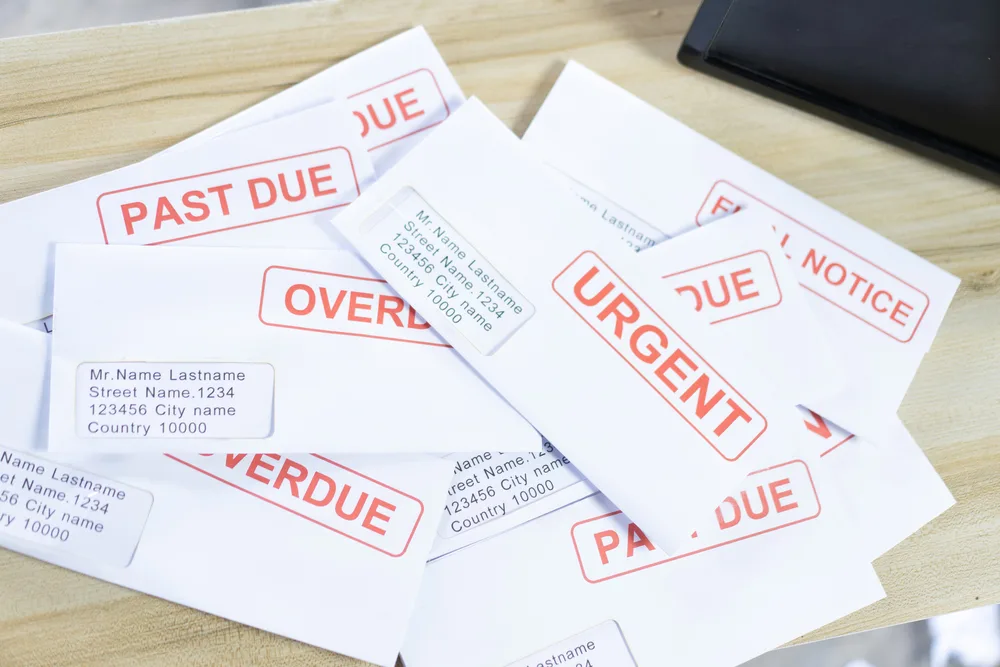
For many households, SNAP benefits play an important role in helping manage monthly grocery expenses during periods of financial stress, rising food costs, or income changes. Because of this, receiving a SNAP denial notice can feel confusing or discouraging, especially for first-time applicants unfamiliar with the review process.
However, a SNAP denial doesn’t always mean you’re permanently ineligible for benefits.
In many cases, applications are denied because of:
- missing documents
- income calculation issues
- incomplete forms
- interview problems
- eligibility verification delays
Some applicants may qualify after submitting additional information, while others may choose to request an appeal or fair hearing if they believe the decision was incorrect.
Keep reading to learn more about the most common reasons SNAP applications are denied, what happens after a denial notice, and how the SNAP appeals process works.
Why SNAP Applications May Be Denied
SNAP eligibility is based on federal and state guidelines that consider household income, expenses, household size, and other financial factors.
Applications can be denied for many reasons, including both eligibility-related issues and administrative problems during the application process.
Importantly, not every denial means a household failed to qualify financially. Some denials happen because the required information was incomplete or not submitted on time.
Tip: wondering about the application process? Get more information about applying for SNAP here.
Common Reasons SNAP Applications Are Denied
Income Above Eligibility Limits
One of the most common reasons for denial is household income exceeding state or federal SNAP income guidelines.
State agencies typically review:
- gross monthly income
- net income after deductions
- household size
- available financial resources in some situations
Because SNAP limits are updated periodically to reflect cost-of-living changes, eligibility thresholds for 2027 may differ from prior years.
Missing Documents or Verification Problems
Applications can also be denied if households fail to provide the required documents within the requested timeframe.
Common verification documents include:
- proof of identity
- proof of address
- paycheck stubs
- unemployment benefit records
- Social Security documentation
- rent or utility bills
If documents are incomplete, difficult to read, or submitted after deadlines, processing delays or denials may occur.
Missed SNAP Interview
Most applicants are required to complete an eligibility interview, usually by phone or in person.
Missing the interview appointment without rescheduling may result in application closure or denial.
During the interview, caseworkers generally review:
- income information
- household composition
- expenses
- program eligibility questions
Household Eligibility Rules
Some households may be denied due to:
- immigration eligibility restrictions
- student eligibility limitations
- work requirement rules for certain adults
- failure to meet residency requirements
Because these rules vary by household situation and state administration procedures, applicants sometimes seek clarification or appeal decisions.
Application Errors or Incomplete Forms
Simple administrative mistakes can also affect SNAP processing.
Examples include:
- incorrect income entries
- missing signatures
- incomplete household information
- outdated contact information
Even minor application issues may delay eligibility decisions if not corrected quickly.
What Happens After a SNAP Denial?
After reviewing an application, the state agency typically sends a written notice explaining whether the application was approved or denied.
If the application is denied, the notice should give the reason for the denial, including any missing information, along with deadlines to appeal or reapply.
Applicants should review denial notices carefully because the explanation often identifies whether:
- additional documentation may resolve the issue
- the denial was based on financial eligibility
- a fair hearing or appeal may be requested
In some cases, households may simply need to provide updated information rather than start the process over entirely.
Can You Appeal a SNAP Denial?
Yes. Households generally have the right to appeal SNAP decisions if they believe:
- the denial was incorrect
- income was miscalculated
- deductions were overlooked
- required documents were improperly reviewed
- procedural errors occurred during processing
This process is often referred to as a fair hearing or SNAP appeal.
How the SNAP Appeals Process Works
The appeals process varies slightly by state, but generally follows a similar structure.
Step 1: Request a Fair Hearing
Applicants typically must request a hearing within a specific timeframe listed on the denial notice.
Requests may often be submitted:
- online
- by mail
- by phone
- in person at a benefits office
Step 2: Review of the Case
During the hearing process, applicants may have an opportunity to:
- explain their situation
- submit additional documents
- correct errors
- challenge income calculations
- discuss household expenses or deductions
Some households also seek legal aid or benefits counseling assistance during this process.
Step 3: Final Decision
After reviewing the information, the agency or hearing officer issues a decision regarding the case.
Possible outcomes may include:
- approval of benefits
- confirmation of denial
- request for additional information
- revised benefit calculations
How Long SNAP Appeals Typically Take
Appeal timelines vary depending on:
- state processing systems
- hearing schedules
- case complexity
- documentation issues
Some hearings may occur within several weeks, while more complicated cases can take longer.
Because households facing food insecurity may need immediate assistance, some families also explore emergency food resources while waiting for final decisions.
Can You Reapply for SNAP After Being Denied?
Yes. In many cases, households may reapply after:
- income changes
- household size changes
- employment changes
- submitting missing documentation
- resolving application errors
A prior denial does not automatically prevent future eligibility.
For example, households denied because income was temporarily too high may later qualify if:
- work hours decrease
- expenses increase
- household circumstances change
Because SNAP eligibility is based on current financial conditions, households sometimes become eligible after financial situations shift.
Emergency SNAP and Expedited Benefits
Some applicants may qualify for expedited or emergency SNAP processing if they face severe financial hardship.
States may prioritize households with:
- extremely low income
- little or no available cash
- urgent food needs
- high shelter expenses relative to income
Even if a standard application is denied initially, households experiencing sudden hardship may still inquire about emergency assistance review options.
SNAP Denials and Other Financial Assistance Programs
Many households denied SNAP benefits continue researching additional assistance programs that may help reduce financial pressure in other areas of household budgeting.
Healthcare Assistance Programs
Medical costs can significantly affect financial stability, especially for seniors, disabled individuals, or households with children.
Programs frequently researched alongside SNAP include:
- Medicaid
- Children’s Health Insurance Program (CHIP)
- Medicare Savings Programs
- prescription assistance programs
In some cases, medical deductions may also affect future SNAP eligibility calculations.
Housing and Rental Assistance Programs
Housing expenses are one of the highest monthly costs for most households.
Families researching SNAP denials often also explore:
- emergency rental assistance
- Section 8 housing programs
- affordable housing resources
- eviction prevention programs
High housing costs may influence future SNAP benefit calculations because shelter expenses are considered during eligibility reviews.
Utility Assistance Programs
Utility bills may place additional strain on low-income households during periods of financial hardship.
Programs such as LIHEAP may provide support for:
- heating bills
- cooling expenses
- emergency utility shutoff prevention
- seasonal energy assistance
These programs are commonly researched together with food assistance programs during periods of economic stress.
Tax Credits and Financial Relief Programs
Households denied SNAP sometimes review additional financial relief programs, such as:
- Earned Income Tax Credit (EITC)
- Child Tax Credit
- free tax preparation programs
- debt counseling services
- budgeting assistance resources
These programs may help offset other household expenses while families reassess eligibility for assistance programs.
Common Questions About SNAP Denials
Does a SNAP denial affect credit scores?
No. SNAP applications and eligibility decisions are generally not connected to traditional credit reporting systems.
Can working adults still qualify for SNAP?
Yes. Many working adults may still qualify depending on income, expenses, and household size.
Can a denied application be reopened?
In some situations, households may provide missing information within a deadline instead of starting a completely new application.
What if income changes after denial?
Changes in employment, wages, or expenses may affect future eligibility and could justify reapplying.
Can legal aid help with SNAP appeals?
Some nonprofit organizations and legal aid groups may assist households navigating appeals or fair hearing processes.
Why More Households Are Appealing SNAP Decisions
Economic conditions have caused many households to start looking into food assistance and financial support programs, especially conditions such as:
- inflation
- rising grocery prices
- increased housing costs
- healthcare expenses
- utility bill increases
Because eligibility calculations can be complex, some applicants seek additional clarification after receiving denial notices, especially when:
- deductions may not have been fully reviewed
- expenses changed recently
- household income fluctuates
- application paperwork was incomplete
Final Thoughts
A SNAP denial does not always mean a household is permanently ineligible for benefits. In many cases, denials result from documentation issues, missed deadlines, or income calculations that may later change.
Understanding the appeals process, reviewing denial notices carefully, and monitoring changes in household financial circumstances can help applicants better evaluate their options moving forward.
Because SNAP rules and appeal procedures vary by state, households are encouraged to review official guidance and current program requirements when considering appeals, reapplications, or related assistance programs.