The federal and state governments provide numerous safety nets to assist low-income households struggling to make ends meet.
In order to qualify for most government benefits, you must meet eligibility requirements relating to your age, income, disability status, or other factors.
Each program has its own requirements. However, in most cases, families and individuals must be considered “low-income” to receive government benefits. Most programs have income limits, which can fluctuate by state or even county. These limits also generally change year-to-year to reflect differences in cost of living.
Keep reading to find out more about some of the most common types of government benefits programs that are out there, and how they can help struggling families.
Programs That Help You Get Free or Low-Cost Food
Everyone deserves to have access to nutritious, healthy foods. However, the cost of groceries can be extremely high for many families, especially those that live in areas without easy access to fresh, locally-grown items.
For people who struggle to buy groceries, the federal government has a few programs that may be able to help. Some of these programs are designed with certain groups of people in mind, like children or seniors with low incomes.
Here are a few of the most common food assistance programs offered by the federal and/or state governments:
- The Supplemental Nutrition Assistance Program (SNAP), also known as food stamps, is designed to help low-income households afford basic foods. SNAP participants receive funds that can be used to purchase approved nutritional items at the store.
- Women, Infants and Children (WIC). This is a comprehensive program designed to help pregnant or breastfeeding women, as well as children up to five years of age. WIC provides health care referrals, food assistance and nutritional education.
- The National School Lunch Program (NSLP). This is just one type of food assistance that low-income families can receive if they have children enrolled in K-12 school. This program provides free or reduced-cost lunches.
- The Emergency Food Assistance Program (TEFAP). This program distributes supplemental food items to low-income families or to nonprofit organizations in communities.
- The Commodity Supplemental Food Program (CSFP). This program provides nutritious foods to low-income people who are 60 years of age or older.
Can’t Afford Rent? Find Out About Section 8
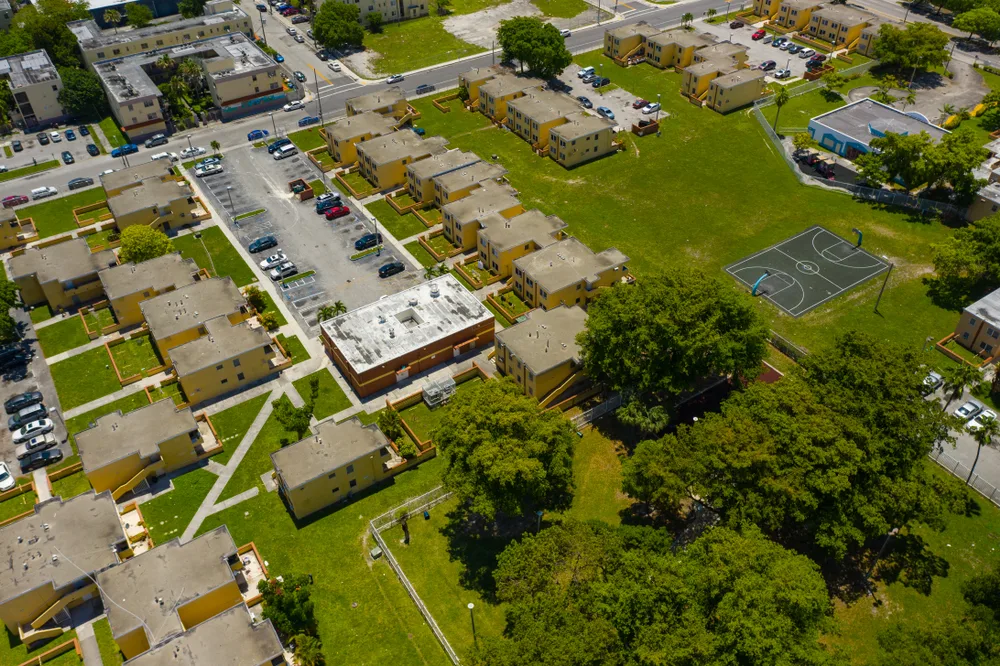
Housing costs are some of the most difficult living expenses to handle. For many families in the U.S., the cost of a mortgage or rent can exceed 50% of their income, making it even harder to buy food or clothing.
Section 8, also called the Housing Choice Voucher Program, helps qualified low-income individuals and families by paying a portion of their rent. Families that qualify tend to pay just 30% of the rent; the remaining 70% is covered by the government.
Vouchers can only be used on homes and apartments that participate in the program. However, because the need for affordable housing is so high, it’s very common to get placed on a waiting list.
Wait lists can be months or even years long, especially in cities or areas with a large population. Income limits also vary depending on where you live. If you’re interested in applying, reach out to your state’s Section 8 program to get started.
Living Expenses Too High? Check Out These Programs
The cost of living includes other expenses in addition to food and groceries. In fact, the cost of heating or cooling your home can really add up quickly. Throw in cell phones and internet services, and you might be facing hundreds to thousands of dollars a month in fees.
To help address these costs, there are several programs that may reduce the financial burden of utilities.
LIHEAP, or the Low-Income Home Energy Assistance Program, is a federal initiative that helps families afford to pay their energy bills. Some families could even qualify for emergency assistance during periods of extreme financial distress.
Each state has its own agency that runs the program with local utility companies, so in order to apply, you’ll need to reach out to your state’s LIHEAP office.
Lifeline is another federal initiative that can help individuals and families afford the cost of internet and cell phones. The program partners with service providers around the country to offer discounts, usually up to $9.25 per month.
Paired with other discounts or promotions from providers, it could bring costs down to almost nothing.
Plus, some Lifeline partners may even offer free smartphones for some users who qualify based on income. Others offer discounts or the ability to bring your own phone to their plan.
Programs That Help With Healthcare Costs
Health insurance in the U.S. is a big topic of conversation. Many families face extreme health care costs, especially when it comes to the cost of monthly premiums.
Medicaid is a joint federal and state health insurance program designed for individuals and families who cannot afford to buy private insurance. To qualify, you must be able to show proof of having a very low income.
Medicaid covers essential services; the federal government has certain “mandatory coverages” that must be included in every state. However, some states may even cover additional services, too.
Medicare is another federal health insurance program designed for older Americans who have paid into the system during their working years. Most people qualify for Medicare once they reach age 62, though some individuals with certain diseases or disabilities may qualify earlier.
There are four parts to Medicare, each one covering different kinds of health services. It’s also possible to be jointly covered by both Medicare and Medicaid. Reach out to your state’s Medicaid office to learn more about the program where you live.
Getting Help After a Natural Disaster
In the wake of a natural disaster such as a wildfire, flood, or hurricane, many households find themselves in need of immediate assistance with food, home repairs, or job loss. Fortunately, there are several government grants and programs available to help those impacted by disasters.
It’s important to know that any disaster assistance offered is restricted to local areas. For example, a program may require you to live in a specific zip code that was declared a disaster zone.
Here are a few examples of programs that provide disaster relief:
- Disaster Supplemental Nutrition Assistance Program (D-SNAP), which is similar to SNAP except that it provides help for households affected by a natural disaster. The area must be declared a disaster by the president.
- The Individuals and Households Program (IHP), run by the Federal Emergency Management Agency (FEMA), provides financial assistance to help you afford housing-related expenses such as temporary housing, rental assistance, home repairs, and more.
- Home and Property Disaster Loans are provided by the U.S. Small Business Administration to help offset the cost to repair or replace your home after a disaster. You do not need to own a business to qualify.
Other Forms of Financial Assistance
Supplemental Security Income (SSI) exists to help families and individuals facing financial hardships. SSI is designed to help those with extremely low incomes, so the eligibility requirements can be pretty strict.
SSI differs slightly from SSDI, which is the Social Security Disability Insurance program. SSDI requires you to have a qualifying disability to receive financial benefits. SSI does not have this requirement.
If you meet the requirements of SSI, you can receive payments to help you afford essentials like clothing, food, and housing.