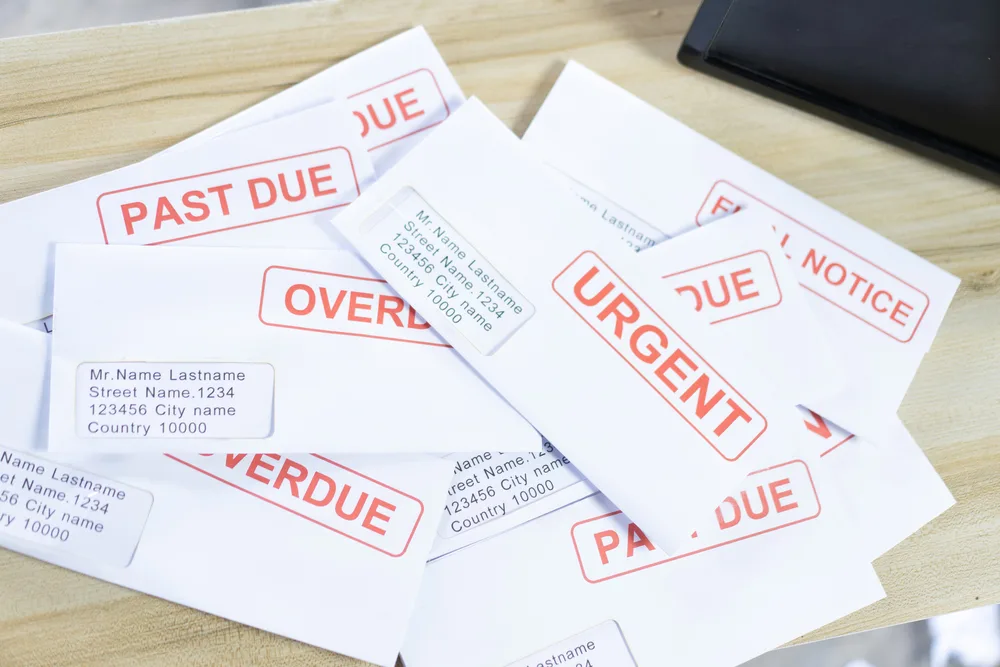
Home repairs have a funny way of becoming urgent when you least expect them.
A dripping faucet turns into a cabinet full of water. A small stain on the ceiling gets bigger after the next storm. The strange noise coming from the furnace suddenly becomes a cold house in the middle of winter.
And then comes the expensive question:
How much is this going to cost?
For homeowners already watching their budgets, an unexpected repair can be more than an inconvenience. A major plumbing, electrical, roofing or heating problem can quickly turn into hundreds or even thousands of dollars in expenses.
That doesn’t mean you should call a contractor every time something looks slightly unusual. Some problems are minor and can be handled with basic maintenance or a little monitoring.
Others deserve attention before they become much more expensive.
Knowing the difference can help you protect your home, avoid unnecessary costs and know when it’s time to bring in a professional.
Here are 10 home problems that deserve your attention.
1. A Roof Leak That Keeps Coming Back
A small water stain on the ceiling might not seem like an emergency.
But if that stain appears every time it rains, don’t simply paint over it.
Water can travel through roofing materials, insulation and ceilings before you ever see the source of the problem. A recurring leak can eventually contribute to damaged drywall, rotting wood, insulation problems or mold growth.
The longer water gets into a home, the more difficult the repair can become.
Look for warning signs such as:
- Brown or yellow ceiling stains
- Damp spots after rain
- Missing or damaged shingles
- Water around skylights
- Peeling paint near ceilings
- Musty smells in the attic
- Visible daylight through the roof
You don’t necessarily need a full roof replacement because of one leak.
A qualified roofing professional can determine whether the issue is a damaged shingle, flashing problem, seal failure or something more significant.
The important part is finding out before a small roofing problem becomes an interior repair project too.
2. Water Under the Sink or Around a Toilet
Plumbing leaks are easy to ignore because they often start small.
You may notice a little moisture underneath the kitchen sink or a toilet that seems to rock slightly.
Don’t automatically assume it’s harmless.
Water can damage cabinets, flooring and subflooring. A hidden leak can continue for weeks or months without being obvious.
Check around:
- Toilets
- Sinks
- Dishwashers
- Washing machines
- Water heaters
- Refrigerators with water lines
- Exposed pipes
If you discover a leak, determine whether it can be safely stopped at the shutoff valve. If the leak continues or you’re unsure where the water is coming from, a plumber may be the right person to call.
A few minutes of investigation can sometimes prevent a much larger water-damage bill.
3. Your Circuit Breaker Keeps Tripping
Everyone has probably flipped a circuit breaker at some point.
A breaker may trip because too many appliances are using the same circuit.
But if the same breaker repeatedly trips, don’t simply keep resetting it.
Frequent tripping can indicate an overloaded circuit, a faulty appliance, wiring problem or another electrical issue.
Other electrical warning signs include:
- Flickering lights
- Buzzing outlets or switches
- Warm outlets
- Burning smells
- Discolored outlets
- Sparks
- Frequent power interruptions in one part of the house
Electrical problems deserve extra caution because faulty wiring can create a serious fire hazard.
This isn’t an area where experimenting with a DIY repair is worth the risk.
If you don’t know why a circuit keeps tripping, consider having a qualified electrician inspect it.
4. Your Heating or Cooling System Is Struggling
Heating and cooling equipment isn’t something most homeowners think about until it stops working.
Unfortunately, waiting until a system completely fails can sometimes leave you with fewer options and a much bigger bill.
Pay attention if your HVAC system starts:
- Making unusual noises
- Running constantly
- Producing weak airflow
- Blowing air that isn’t the expected temperature
- Cycling on and off unusually often
- Producing unusual odors
- Causing unexplained increases in energy use
Some issues are relatively simple.
Others can indicate that the system needs repair or is approaching the end of its useful life.
Regular maintenance can also help identify problems before they become emergency repairs.
If your system is old and you’re repeatedly paying for repairs, it may be worth asking a professional whether continued repairs make financial sense compared with replacement.
Don’t assume replacement is automatically the answer. Get the numbers first.
5. You See Mold or Persistent Musty Odors
Not every dark spot in a bathroom is necessarily a serious mold problem.
But persistent musty odors or recurring visible mold deserve attention, particularly when moisture is involved.
Mold can be associated with ongoing water intrusion, condensation, plumbing leaks or ventilation problems.
The key question isn’t simply:
“How do I clean this?”
It may be:
“Why does this keep coming back?”
If the underlying moisture problem isn’t addressed, cleaning the visible area may only provide a temporary solution.
For a small surface issue, appropriate cleaning and moisture control may be enough. Larger, recurring or hidden problems may require professional assessment.
If you suspect significant water damage or mold growth, especially after a flood or major leak, consider getting qualified help rather than simply covering it up.
6. Doors and Windows Suddenly Don’t Close Correctly
A door that sticks in the summer isn’t necessarily a major structural problem.
Homes naturally expand and contract as temperature and humidity change.
But if several doors or windows suddenly become difficult to open or close, pay attention.
Other signs that deserve investigation can include:
- New cracks around doors or windows
- Gaps appearing around frames
- Uneven floors
- Cracks in walls or ceilings
- Windows that suddenly won’t open
- Doors that no longer latch properly
These symptoms can have many causes, some minor and some more significant.
Don’t jump to the conclusion that your foundation is failing based on one sticking door.
But if several unusual changes appear at the same time, an experienced professional may be able to determine what’s happening.
7. Your Water Pressure Suddenly Changes
A gradual change in water pressure may be caused by something relatively simple.
But a sudden or significant change can deserve investigation.
For example, if the water pressure throughout your home suddenly drops, there could be an issue with the plumbing system, a shutoff valve, a leak or the municipal water supply.
If only one faucet has low pressure, the problem may be isolated to that fixture.
If every faucet suddenly has poor pressure, however, it’s worth finding out why.
And if low pressure appears alongside unexplained increases in water usage, damp areas or sounds of running water, you may be dealing with a leak.
The sooner a hidden leak is found, the less opportunity it has to cause damage.
8. Your Basement or Crawl Space Is Getting Wet
A damp basement isn’t just an annoyance.
Water entering a basement or crawl space can damage stored belongings, flooring, walls and structural materials.
Start by figuring out when the moisture appears.
Does it happen:
- Only after heavy rain?
- During snowmelt?
- Around one particular wall?
- Near a window?
- Around plumbing?
- All the time?
The source matters because the solution depends on the cause.
Possible problems include clogged gutters, poor grading around the home, foundation cracks, plumbing leaks, drainage issues or inadequate waterproofing.
Sometimes the solution is relatively straightforward.
Other times, professional evaluation is worthwhile.
And don’t store important documents, electronics or sentimental items directly on a basement floor if water intrusion is a possibility.
A few inexpensive storage shelves can save a lot of heartache.
9. Your Gutters Are Overflowing
Gutters aren’t particularly exciting.
But they’re part of your home’s water-management system.
When gutters become clogged, rainwater may spill over the sides instead of moving away from the house.
That can contribute to water pooling near the foundation, damaged landscaping, basement moisture and erosion.
Look for:
- Water spilling over gutters during rain
- Sagging gutter sections
- Plants growing inside gutters
- Water pooling near the foundation
- Gutters pulling away from the roof
- Downspouts that empty too close to the house
Cleaning gutters may be a simple maintenance job, depending on the home and your ability to safely access them.
If gutters are damaged, improperly pitched or repeatedly causing drainage problems, a professional may be able to recommend a longer-term solution.
10. You Notice a Sudden Increase in Your Utility Bills
Your utility bill isn’t a repair problem by itself.
But a sudden unexplained increase can be a clue that something in your home isn’t working as it should.
For example, an unusually high electricity bill could potentially be associated with:
- An HVAC system working harder than normal
- Poor insulation
- Air leaks
- A failing appliance
- Water-heating problems
- Changes in household usage
A higher water bill may point toward a running toilet or hidden leak.
Don’t automatically assume the utility company made a mistake.
Compare your recent usage with previous months.
If consumption has changed dramatically without an obvious reason, investigate.
Finding the problem can potentially save you money every month rather than simply fixing one isolated issue.
When Should You Call a Contractor?
One of the hardest parts of home maintenance is knowing when a problem is serious enough to justify paying for professional help.
A good rule is to consider three things:
Is it a safety issue?
Electrical problems, gas-related concerns, structural issues and certain types of water damage can present serious risks.
Don’t try to save money by attempting repairs you’re not qualified to perform.
Could waiting make it worse?
A dripping pipe may become water damage.
A small roof leak may become a damaged ceiling.
A neglected HVAC issue may become a complete system failure.
If delaying a repair could substantially increase the eventual cost, getting an evaluation sooner may make financial sense.
Do you actually know what’s causing the problem?
If you’re guessing, be careful.
Internet searches can help you understand possible causes, but they can’t inspect the inside of your wall, test electrical wiring or evaluate the structure of your home.
Sometimes paying for an inspection or service call is cheaper than guessing incorrectly.
Get More Than One Estimate for Expensive Repairs
If a contractor tells you that you need a $10,000 repair, don’t feel pressured to immediately agree.
For larger projects, consider getting multiple estimates from qualified contractors.
Ask each contractor:
- What exactly needs to be repaired?
- What caused the problem?
- What materials will be used?
- Is labor included?
- Are permits required?
- How long should the work take?
- Is there a warranty?
- What happens if additional damage is discovered?
The cheapest estimate isn’t necessarily the best.
A very low bid can sometimes leave out important work or materials.
Instead, compare what each contractor is actually proposing.
You want to compare the scope of work, not just the final number.
Be Careful With Large Upfront Payments
Be cautious if someone demands a large amount of money before any work begins.
The rules governing deposits and contractor payments vary by state and project, so check your local requirements before signing a contract.
For larger projects, make sure you have a written agreement that clearly explains the work, price, payment schedule and other important terms.
You should also verify that the contractor is properly licensed or registered when your state or locality requires it.
Don’t let someone pressure you into signing immediately because they claim the price is available “today only.”
A legitimate contractor should be able to explain the project without turning the conversation into a high-pressure sales pitch.
What If You Can’t Afford the Repair?
This is where a home problem can quickly become a financial problem.
If you need a major repair but don’t have enough money saved, don’t automatically assume that your only option is a high-interest loan or credit card.
Depending on your circumstances, there may be other possibilities.
You can investigate:
- Local home repair assistance programs
- State housing programs
- Community development programs
- Energy-efficiency assistance
- Weatherization programs
- Nonprofit organizations
- Utility assistance programs
- Local housing authorities
- Programs for older homeowners
- Programs designed for veterans or people with disabilities
Some government programs are specifically designed to help eligible households improve energy efficiency or address certain housing needs.
The U.S. Department of Energy’s Weatherization Assistance Program, for example, helps eligible low-income households improve the energy efficiency of their homes, with programs administered by states and local organizations. (energy.gov)
The U.S. Department of Housing and Urban Development also provides information about housing assistance and programs administered through state and local agencies. (hud.gov)
Availability varies widely, and assistance isn’t guaranteed.
But if you’re facing a major repair you cannot afford, checking for assistance before taking on expensive debt is worth considering.
Don’t Confuse Maintenance With a Major Repair
One of the best ways to keep home costs under control is to separate routine maintenance from major repairs.
Some tasks are basic maintenance:
- Changing HVAC filters
- Cleaning gutters
- Testing smoke detectors
- Checking for plumbing leaks
- Replacing worn caulk
- Keeping drains clear
- Checking weatherstripping
- Inspecting visible roof areas from the ground
Other problems require specialized knowledge.
Knowing your limits is part of being a responsible homeowner.
There’s nothing wrong with hiring a professional.
In fact, paying someone who knows what they’re doing can sometimes save money compared with attempting a repair, making the problem worse and then paying someone to fix both problems.
A Simple Home Repair Checkup
You don’t need to spend an entire weekend inspecting every inch of your house.
Once every few months, take a quick walk around your property and look for changes.
Check:
- Ceilings for new stains
- Under sinks for moisture
- Toilets for leaks or movement
- Gutters for clogs or damage
- Downspouts for proper drainage
- Walls for new cracks
- Doors and windows for sudden changes
- HVAC equipment for unusual noises
- Electrical outlets for heat or discoloration
- Basement or crawl space for moisture
- Utility bills for unexplained changes
Taking 20 minutes to look around your home can help you notice a problem while it’s still manageable.
Frequently Asked Questions
What home repairs should I deal with first?
Safety-related problems and issues that can cause rapidly increasing damage generally deserve the most attention. Electrical hazards, major leaks, active water intrusion, serious heating problems and structural concerns should not be ignored.
How do I know if a home repair is urgent?
Consider whether the problem creates a safety risk, is causing active damage or could become substantially more expensive if you wait. When you’re uncertain, getting an assessment from a qualified professional can help.
Should I get multiple contractor estimates?
For larger or expensive projects, getting multiple estimates can help you understand the typical cost and compare the proposed scope of work. Make sure you’re comparing similar services and materials.
What if I can’t afford a necessary home repair?
Look for state, local and nonprofit assistance programs before automatically using expensive credit. Depending on your circumstances, you may find programs related to energy efficiency, weatherization, housing repairs or other needs. (energy.gov)
Can I repair everything myself?
No. Some routine maintenance can be handled by homeowners, but electrical, structural, gas-related and certain plumbing or roofing problems can require specialized training. When safety is involved, professional help is usually the better choice.
How can I avoid expensive home repairs?
Regular maintenance, early detection and addressing small problems before they grow can help. Keep an eye on water leaks, drainage, roofing, HVAC systems and electrical issues, and don’t ignore unusual changes in your home.
The Bottom Line
Homeownership comes with expenses that don’t always appear on the monthly budget.
A roof eventually needs attention. Appliances stop working. Pipes leak. Heating systems get old. Gutters clog.
You can’t prevent every repair.
What you can do is pay attention to the warning signs.
A small stain, strange noise or unexplained increase in a utility bill may not mean disaster. But it can be a reason to investigate before the problem gets bigger.
And if a major repair does become necessary, remember that you don’t always have to accept the first price you’re given. Compare estimates, get the work in writing, verify contractors and look for assistance programs that may apply to your situation.
The smartest home repair isn’t necessarily the one that costs the least today. It’s the one that protects your home and your finances over the long run.