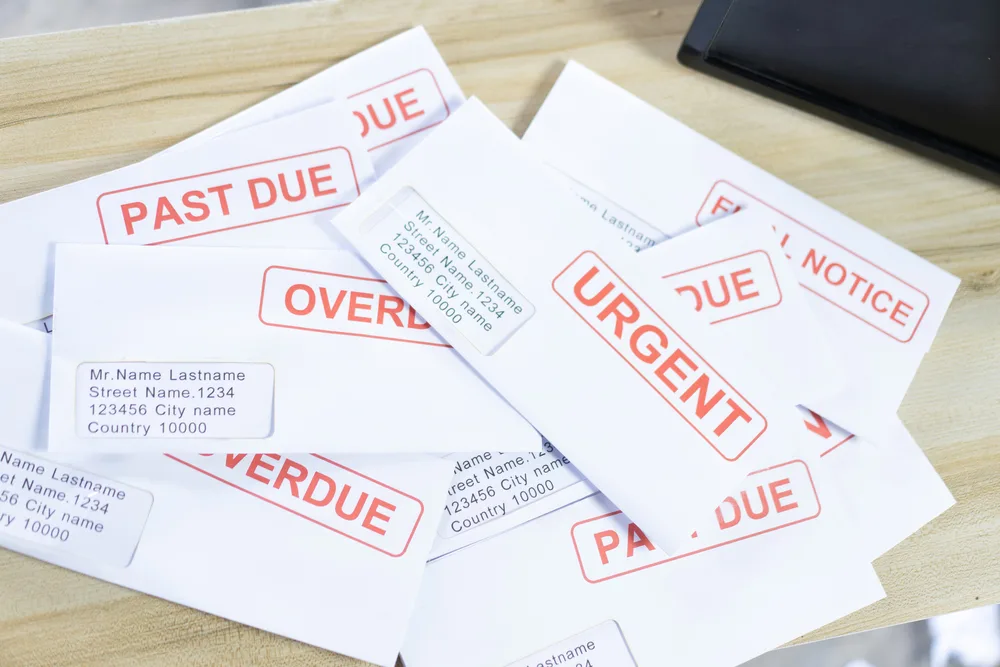
Housing costs through the roof? It’s not just you. Rising living expenses continue to be one of the biggest financial challenges facing American families.
Whether you’re struggling to pay rent, facing a possible eviction, looking for a more affordable apartment, or trying to buy your first home, there are housing assistance programs that may be able to help.
The problem is that housing assistance can feel confusing. There are federal programs, state programs, local programs, waiting lists, vouchers, income limits, and dozens of different agencies involved.
This guide explains everything in plain English so you can understand your options, avoid common mistakes, and find the housing assistance programs that may be available to you.
What Is “Affordable Housing?”
Affordable housing generally means housing that costs no more than 30% of a household’s income.
For example:
- A household earning $3,000 per month would ideally spend no more than $900 on housing.
- A household earning $5,000 per month would ideally spend no more than $1,500 on housing.
When housing costs rise above this threshold, families may struggle to pay for necessities like food, energy bills, healthcare, transportation, education, and childcare.
Who’s The Ideal Candidate for Housing Assistance?
Eligibility varies depending on the program, but housing assistance is often geared toward the following groups of people:
- Low-income households
- Seniors
- People with disabilities
- Veterans
- Families with children
- Individuals experiencing homelessness
- Survivors of domestic violence
- First-time homebuyers
- Workers with moderate incomes in high-cost areas
Many people assume they earn too much to qualify and never apply. In reality, some programs serve households earning 50%, 60%, or even 80% of local median income.
The Major Types of Housing Assistance Programs
Understanding the different categories can help you focus on the programs most relevant to your situation.
Housing Choice Voucher Program (Section 8)
The Housing Choice Voucher Program, commonly called Section 8, helps qualified households pay rent in the private housing market.
How It Works
A local housing authority provides a voucher that helps cover a portion of monthly rent.
The household generally contributes part of its income toward rent, while the voucher covers the remaining approved amount.
Advantages
- Can often be used with private landlords
- Provides ongoing rental assistance
- Allows families more housing choices
Challenges
- Waiting lists can be long
- Not all landlords participate
- Availability varies by location
Public Housing
Public housing consists of government-owned housing communities managed by local housing authorities.
Common Features
- Income-based rent
- Apartment buildings
- Townhomes
- Family housing developments
- Senior housing communities
Project-Based Rental Assistance
Some apartment communities receive government subsidies directly. Instead of bringing a voucher with you, the assistance stays attached to the apartment.
Benefits can include things like:
- Lower rent
- Simplified qualification process
- Stable monthly housing costs
Affordable Housing Tax Credit Properties
Many apartment communities were developed using Low-Income Housing Tax Credits (LIHTC).
These properties often have lower rents than market-rate apartments. They aim to serve working families and usually have income limits that may be higher than Section 8 programs
Many households who do not qualify for traditional assistance may still qualify for LIHTC housing.
Emergency Rental Assistance
If you’re behind on rent or facing eviction, emergency assistance programs may help. Potential assistance can include help with costs like:
- Past-due rent
- Security deposits
- Utility bills
- Temporary housing support
Availability varies by state and local funding.
Homelessness Prevention Programs
These programs help people remain housed before a crisis becomes homelessness.
Services may include:
- Emergency financial assistance
- Mediation with landlords
- Legal aid
- Housing counseling
- Case management
Seeking help early often improves outcomes.
Housing Programs for Seniors
Many communities offer housing specifically designed for older adults. Senior housing programs often have different eligibility requirements than traditional housing assistance.
Benefits may include things like:
- Reduced rent
- Accessibility features
- Social services
- Transportation assistance
- Community activities
Housing Assistance for People with Disabilities
Specialized programs for folks with disabilities may provide the following benefits:
- Accessible housing units
- Rental assistance
- Supportive services
- Independent living resources
- Home modification assistance
These programs help individuals live safely and independently.
Veterans Housing Assistance
Veterans may qualify for specialized housing programs that offer rental assistance and other benefits, like:
- Transitional housing
- Homelessness prevention services
- Supportive housing
- Homeownership assistance
Veterans should explore both federal and local veteran-focused programs.
First-Time Homebuyer Assistance
Housing assistance isn’t only for renters.
Many programs help eligible buyers through:
- Down payment assistance
- Closing cost assistance
- Reduced-interest mortgages
- Homebuyer education
- Forgivable loans
These programs can significantly reduce upfront homebuying costs.
How Housing Authorities Work
Most federal housing assistance programs are administered through local Public Housing Authorities (PHAs).
A housing authority may:
- Manage public housing
- Administer Section 8 vouchers
- Maintain waiting lists
- Verify eligibility
- Conduct annual reviews
Because each housing authority operates independently, rules and waiting periods may differ.
Understanding Waiting Lists
One of the biggest frustrations applicants face is waiting lists. Demand often exceeds available funding and housing units, so to fairly distribute help, most PHAs have waiting lists.
What Applicants Should Know
- Lists may open and close periodically.
- Different programs have separate waiting lists.
- Multiple household members generally cannot apply separately for the same assistance.
- Updates must be reported promptly.
Important Tip
Many applicants lose opportunities because they fail to update their mailing address, phone number, or email address.
Common Reasons Housing Applications Are Denied
Understanding common denial reasons can help you avoid mistakes.
Missing Documentation
Examples include:
- Pay stubs
- Tax returns
- Identification documents
- Social Security documentation
Incomplete Applications
Leaving sections blank can delay or prevent approval.
Failure to Respond
Housing agencies often have strict deadlines.
Income Issues
Applicants may exceed program limits.
Eligibility Verification Problems
Information that cannot be verified may create delays or denials.
Housing Assistance Checklist
Before applying, it can help to be prepared. Consider getting together the following things before you apply:
Identity Documents
✔ Driver’s license or ID
✔ Birth certificates
✔ Social Security cards
Income Documents
✔ Pay stubs
✔ Benefit award letters
✔ Tax returns
✔ Pension statements
Housing Documents
✔ Lease agreement
✔ Rent receipts
✔ Utility bills
✔ Eviction notices (if applicable)
Additional Records
✔ Disability documentation (if applicable)
✔ Veteran records (if applicable)
✔ Child support records
Keeping digital copies can speed up the process.
Common Housing Assistance Myths
Myth #1: Only Unemployed People Qualify
Many working families receive assistance.
Myth #2: Assistance Is Only for Families
Single adults, seniors, veterans, and people with disabilities may qualify.
Myth #3: Homeowners Can’t Receive Housing Help
Numerous programs assist homeowners with repairs, energy costs, and mortgage-related needs.
Myth #4: It’s Not Worth Applying
Some applicants qualify for assistance they never knew existed.
Related Programs That Can Help Lower Housing Costs
Housing affordability involves more than rent.
Many households combine housing assistance with programs such as:
- SNAP (food assistance)
- LIHEAP (energy assistance)
- Medicaid
- Medicare Savings Programs
- WIC
- Property tax relief programs
- Utility assistance programs
Combining programs can significantly reduce monthly expenses.
Frequently Asked Questions
How long does it take to get housing assistance?
It depends on the program and location. Some emergency programs provide assistance quickly, while voucher programs may involve waiting lists.
Can I apply if I have a job?
Yes. Many housing assistance recipients are employed.
Can I receive housing assistance and SNAP benefits?
Yes. Participation in one program does not automatically prevent participation in another.
Do housing programs check income every year?
Many programs require periodic recertification to verify ongoing eligibility.
Can I move and keep my housing assistance?
Some programs allow portability, while others are tied to specific properties or jurisdictions.
What happens if my income changes?
Changes should generally be reported promptly because they may affect eligibility or benefit levels.
Is housing assistance taxable?
Most housing assistance benefits are not treated as taxable income, but individuals should consult a qualified tax professional regarding their specific situation.
Mistakes That Can Delay Approval
Avoid these common errors:
❌ Missing deadlines
❌ Ignoring letters from housing agencies
❌ Failing to update contact information
❌ Submitting incomplete documentation
❌ Assuming you are ineligible without applying
❌ Waiting until eviction is imminent before seeking help
❌ Applying to only one housing program
Additional Resources Worth Exploring
Housing assistance is only one piece of financial stability. Families often benefit from learning about:
- Food assistance programs
- Utility assistance programs
- Healthcare assistance programs
- Childcare assistance programs
- Tax credits for low-income households
- Emergency financial assistance programs
The more programs you understand, the more opportunities you may find to reduce expenses and improve financial security.
Putting It All Together
Affordable housing programs exist to help individuals and families maintain safe, stable housing when costs become difficult to manage. While eligibility rules, waiting lists, and application requirements can seem overwhelming, understanding the available options is the first step toward finding assistance.
Whether you’re looking for rental assistance, affordable apartments, public housing, homebuyer support, or emergency help, applying early, staying organized, and exploring multiple programs can improve your chances of receiving assistance.
For many households, housing assistance is not simply about lowering rent. It creates room in the budget for food, healthcare, savings, education, and long-term financial stability.